
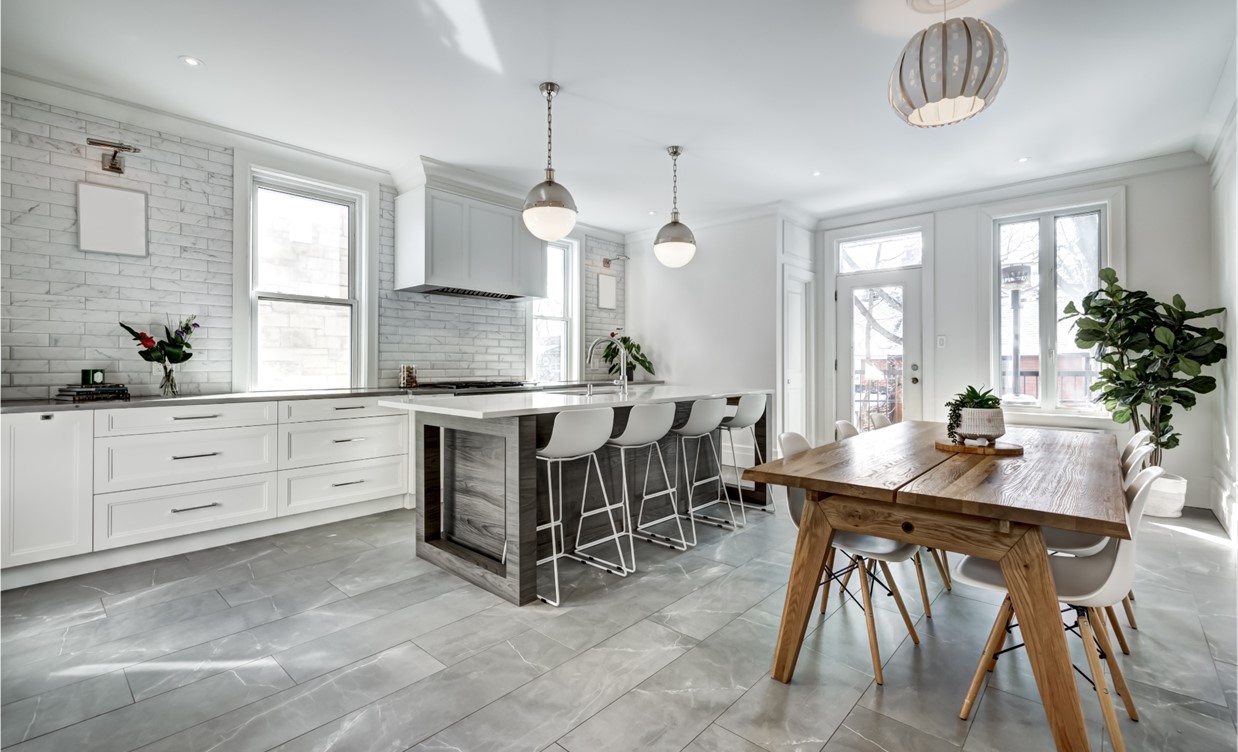
Selling or renting a property these days is a much more complex process than simply posting an ad on an online portal. In an era of fierce competition and a visually driven market, where first impressions are formed within seconds spent browsing photos, professional preparation of the offer becomes crucial. This is where home improvement comes into play. Staging is a discipline that revolutionizes the way properties are presented, translating aesthetics into real financial benefits. It’s not just a passing fad imported from the Anglo-Saxon markets, but a strategic marketing tool that allows you to differentiate your listing, accelerate the transaction, and maximize profits.
This article will explain what exactly home is staging , what are its basic principles and why it is an investment, not an expense, in the selling or renting process.
What is home Staging – Definition and Basic Assumptions
Many people mistakenly associate home with staging with simple cleaning or interior decorating. However, this is a far-reaching simplification that fails to capture the essence of this service.
Home staging is the professional preparation of a property for sale or rental, with the goal of highlighting its potential and presenting it in the most favorable light to the widest possible audience of potential buyers. It is a field that combines elements of marketing, sales psychology, and interior design. The main goal of home staging is to The stager’s job is not to furnish the apartment to suit the owner’s taste, but to create a universal, visually attractive space that will allow buyers to more easily imagine themselves in a given place.
It’s comparable to preparing a car for sale. No one puts a car up for sale dirty, with personal belongings inside and minor but visible imperfections. Instead, the vehicle is thoroughly cleaned, waxed, and any imperfections are removed to present it at its best. Home staging is precisely this kind of ” detailing ” for real estate. Its philosophy is based on several pillars: depersonalization, order, a neutral aesthetic, and emphasizing the functionality of each room. It’s a conscious effort intended to evoke positive emotions and associations in the viewer, which directly influences their purchasing decisions.
Home staging and interior design – key differences
One of the most common misunderstandings is the equation of the home service staging and interior design. Although both fields operate with similar tools—such as color, light, furniture, and accessories—their goals are fundamentally different, even opposing. Understanding this difference is crucial to understanding the value a home brings. staging .
Interior design focuses on the client inhabiting a given space . An interior designer creates a tailor-made design that reflects the personality, lifestyle, needs, and dreams of a specific person or family. The goal is to create a functional and aesthetically pleasing home that will last for years. Personalization is not only desirable, but essential.
Home staging, on the other hand, works in the complete opposite direction. Its goal is to sell a property , and the target audience is an anonymous, potential buyer . For this reason, depersonalization is key . All personal memorabilia, family photos, specific collectibles, and bold colors are removed. The space becomes a neutral canvas on which the buyer can paint their own vision of their future life. A home stager thinks like a marketer – analyzing the target audience and designing the interior to meet their potential aspirations.
This can be summarized as follows:
- An interior designer creates a home for someone .
- A home stager prepares a property for everyone .
This subtle but fundamental difference makes home A stager is a real estate marketing specialist who uses interior design as his main work tool.
Psychology home staging – why does it work?
Effectiveness home Staging is not magic, but stems from a deep understanding of the human psyche and decision-making processes. When we buy a house or apartment, the decision is rarely 100% rational. Emotions play a huge role, and home staging is a tool for consciously shaping them.
First of all, first impressions count . Research shows that buyers make an initial decision about their interest in a property within the first few seconds. A professionally designed interior immediately builds positive associations, making the property seem more attractive and valuable.
Secondly, home staging It facilitates visualization . Empty rooms often appear smaller than they actually are. A cluttered interior, on the other hand, is overwhelming and makes it impossible to imagine your own furniture. Staging gives rooms a clear function and scale, helping buyers envision what their life could be like there. They begin to plan where they will place their sofa and where they will set up their workspace.
Thirdly, staging It creates an emotional connection and appeals to the senses. The goal isn’t to sell walls, but rather to promote a vision of a better life. A well-designed space awakens aspirations and desires. But that’s not all. A professional stager takes care of sensory marketing:
- Sight: it’s obvious – aesthetics, color harmony, order.
- Smell: A neutral, fresh, clean scent is key. This means thoroughly airing out and eliminating any unpleasant odors (e.g., pets, cooking). The popular myth about the smell of freshly brewed coffee or baked cake can be risky; neutrality is best.
- Touch: soft blankets carelessly thrown on the sofa, fluffy towels in the bathroom, or smooth countertop surfaces subconsciously create a sense of comfort and quality.
- Sound: Silence is important. Any creaking doors or leaking faucets must be repaired as they suggest neglect.
Home Process staging – specific actions step by step
Professional home Staging is a systematic process. Each step is carefully planned and aimed at achieving a specific result.
- Consultation and Analysis: The first step is a visit to the property by the stager . They conduct a detailed assessment of its condition, identifying both strengths (e.g., good lighting, functional layout) and weaknesses (e.g., dark rooms). They analyze the target audience and, based on this, develop a strategy.
- Decluttering and depersonalization is an absolutely fundamental step. It involves removing all unnecessary items from view. For example: Instead of ten knick – knacks on a dresser, we leave one elegant vase. All appliances, except for the aesthetically pleasing coffee machine , disappear from the kitchen counter. Closets should be organized and filled to a maximum of 50-60% capacity to give the impression of spaciousness.
- Minor repairs and refreshes . The property must appear well-maintained. Any minor issues—a leaky faucet, a creaky door, a burned-out light bulb—must be fixed. It’s often necessary to repaint the walls in neutral, light colors (white, gray, beige), which visually enlarge the space.
- Space and furniture arrangement The stager strategically arranges furniture to highlight the functionality of each room. The goal is to showcase the potential of the space—for example, a small living room can accommodate both a lounge and a dining area. Rental furniture is often used to create a cohesive and modern look, especially in vacant apartments.
- Styling and adding accents ( staging ) is the stage where the interior comes to life. Carefully selected accessories create a cozy atmosphere. For example: In the bedroom, we place a new, neutral bedspread and a few decorative pillows on the bed. In the bathroom, we hang clean, white towels, place a tray of elegant cosmetics, and a scented candle.
- Professional Photo Shoot The final step is taking professional photos. Good photos, taken in the right light and from the right perspective, determine whether a potential buyer will click on the ad and schedule a viewing.
How much does a house cost? Staging – Pricing Models and Return on Investment
This is a key question for every homeowner. The cost of a home Staging is not static and depends on many factors, but it should always be viewed as an investment, not an expense. There are several basic payment models available on the market:
- Consultation: The cheapest option, involving a visit from a stager who assesses the property and prepares a detailed report. The report includes a list of recommendations for the owner to implement independently. The cost of this service typically ranges from 500 to 1500 PLN.
- Full service: Comprehensive property preparation by a stager – from planning, through shopping, furniture rental, to styling and photoshoots. The price depends on the square footage, scope of work, and the need for equipment rental. It’s assumed that the cost of a full home Staging ranges from 1% to 3% of the property value . For an apartment worth PLN 600,000, this may amount to PLN 6,000-18,000.
- home staging : A more affordable alternative to consultations, where all communication takes place remotely. The owner sends photos and measurements and receives a plan of action in response. This is a good solution for those on a tight budget.
While these amounts may seem significant, return on investment is almost a given. A well-prepared property can sell for 5-15% more, which for the apartment mentioned above means a potential profit of PLN 30,000 to PLN 90,000.
Home staging DIY – can you do it yourself?
Of course, many home rules Staging can be done independently, especially if you’re on a tight budget. However, the DIY approach requires discipline and an objective perspective on your own home, which can be difficult.
Here’s a quick checklist for amateurs:
- Absolute order: clean every corner. Wash windows, floors, and grout.
- Depersonalization: Hide all family photos, personal mementos, refrigerator magnets, diplomas, and collectibles. The house should look like a luxury hotel, not a private home.
- Decluttering : Remove excess furniture. Hide 50% of items from shelves, countertops , and closets. Less is more.
- Neutral color palette: If your walls are vibrant colors, paint them white, light gray, or beige.
- Repairs: tighten doorknobs, replace burnt-out light bulbs, fix a leaky faucet.
- Lighting: Use high-wattage, warm-colored bulbs. Open windows to let in as much natural light as possible.
- Define functions: Make sure each room has a clear purpose. A bedroom is a bedroom, not a clutter room.
- Accessories: Buy some new, matching pillows, a simple vase, white towels for the bathroom, and a neutral bedspread.
The most common mistakes: too sterile, “laboratory” interior lacking coziness; ignoring the smell; leaving too many personal touches out of sentiment.
Home specifics staging for various types of properties
Approach to home staging must be flexible and adapted to the specific nature of the property and its target group.
- Rental properties: durability and functionality are key here. Easy-to-clean materials are used, and the design aims to maximize the usability of the space. The goal is to attract responsible tenants who will appreciate a well-maintained and practical interior.
- Properties for sale: focusing on aspirations and lifestyle. The design should be more elegant, evoke emotion, and justify the higher price. Every detail should contribute to the property’s image as a unique place.
- Premium properties require the use of the highest quality materials, designer furniture, and unique accessories. Staging must emphasize the luxury, prestige, and uniqueness of the property.
- Empty properties (from a developer): This is the biggest challenge. Empty rooms feel small and uninviting. Home staging is absolutely essential to show the scale, potential, and possible layouts, which helps buyers make a decision.
What is a virtual home staging ?
Virtual home Staging is a modern and increasingly popular tool. It involves digitally furnishing and decorating empty rooms in photos. Specialized software allows for the insertion of realistic-looking furniture, rugs, lamps, and decorations into interior photos.
Advantages:
- Lower cost: It is much cheaper than physical furnishing.
- Speed: Results can be seen within 1-2 business days.
- Flexibility: Styles and arrangements can be easily changed.
Defects:
- It works exclusively online. During a physical viewing, buyers see empty rooms, which can lead to disappointment. Therefore, it’s the best tool for properties from developers or as a complement to an offer.
How to choose a good home stager ?
When deciding on a professional service, it is worth knowing how to verify the specialist.
- the stager’s skills and aesthetics .
- Ask for references and statistics: A professional should be able to provide references from previous clients or real estate agents. It’s worth asking about the average time it takes to sell properties they’ve handled.
- Verify liability insurance: having liability insurance demonstrates professionalism and protects the owner in the event of any damage.
- Certifications and training: completed courses and obtained certificates confirm that the stager has formal knowledge and follows market trends.
Summary – home staging as a strategic marketing tool
The modern real estate market doesn’t forgive mediocrity. In the maze of similar offers, those that stand out and capture buyers’ imaginations prevail. Home staging has ceased to be an extravagance and has become standard practice and one of the most effective real estate marketing tools.
It’s much more than just decorating—it’s a well-thought-out strategy that combines sales psychology with aesthetics. It’s an investment in a faster transaction, a higher price, and a smoother selling process. Ultimately, it’s a win-win for all parties—the seller achieves their financial goal, and the buyer easily finds their dream home.

Signature Estates editorial team